In today’s competitive business world, making the right decisions is essential for long-term success. Every business needs to understand what is working, what needs improvement, and where risks may exist. This is where an audit becomes valuable. An audit helps businesses review their records, systems, processes, and performance to make better decisions.
Whether you run a small business, a growing company, or a large organization, regular audits can help improve accuracy, strengthen security, reduce unnecessary costs, and support business growth.
At Rooknova Labs, we understand the importance of reliable technology, secure systems, and efficient business processes. In this guide, we explain what an audit is, the different types of audits, their benefits, and how businesses can use them to improve performance.
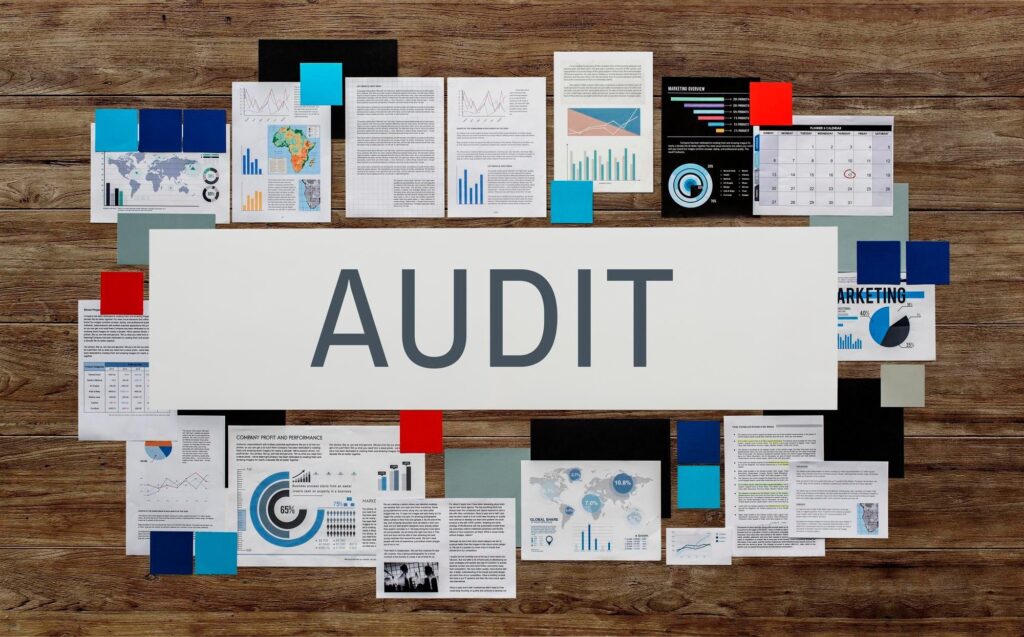
What Is an Audit?
An audit is a systematic review of information, records, systems, or business activities to check whether they are accurate, secure, effective, and following the required rules or standards.
For example, a financial audit reviews financial records to check whether they fairly represent a company’s financial position. An IT audit examines computer systems, software, data security, and technology processes to identify weaknesses and risks.
The main purpose of an audit is not simply to find mistakes. It is also to understand how a business operates and identify opportunities for improvement.
Why Is an Audit Important for Businesses?
Every business faces challenges, from managing expenses and protecting customer information to maintaining accurate records and meeting legal requirements. An audit can help identify these challenges before they become serious problems.
Here are some important reasons why businesses conduct audits:
- Improve accuracy: Identify errors in financial records, reports, data, or business processes.
- Reduce risks: Discover potential problems before they affect daily operations.
- Strengthen security: Review access controls, software systems, and data protection practices.
- Improve efficiency: Find unnecessary steps, duplicated work, and resource waste.
- Support better decisions: Give managers reliable information for planning and investment.
- Build trust: Provide stakeholders with greater confidence in business information and controls.
A well-planned audit gives business owners a clearer understanding of their current position and the steps they can take to improve it.
What Are the Different Types of Audits?
The type of audit a business needs depends on its goals, industry, size, and risks. Some audits focus on money and financial reporting, while others examine technology, security, or operational performance.
1. Financial Audit
A financial audit examines financial statements, transactions, accounting records, and supporting documents. Its purpose is to assess whether financial information is presented fairly under the applicable reporting framework.
Businesses may use financial audits to improve accountability, meet regulatory requirements, and provide reliable information to investors, lenders, or other stakeholders. Depending on the circumstances, an independent qualified auditor may be required.
2. Internal Audit
An internal audit reviews business operations, internal controls, risk management, and governance. It helps management understand whether company procedures are working as intended.
For example, an internal audit may identify approval gaps in purchasing, weaknesses in inventory control, or delays in expense reporting. Businesses can then improve their processes and reduce avoidable risks.
3. IT Audit
An IT audit examines an organization’s technology environment, including hardware, software, networks, user permissions, data management, and IT policies.
It can help answer important questions: Are systems properly maintained? Can employees access information they do not need? Are backups available? Are software updates and security controls being managed correctly?
For companies that depend on digital tools, an IT audit can reveal weaknesses that might affect business continuity, productivity, or data protection.
4. Cybersecurity Audit
A cybersecurity audit focuses on how well a business protects its systems and information from digital threats.
It may review password policies, access permissions, security configurations, incident response plans, backup procedures, and vulnerability management. A security assessment can also help identify gaps that need further testing.
Regular reviews are particularly useful for businesses that handle customer information, financial data, confidential documents, or online transactions.
5. Operational Audit
An operational audit evaluates how effectively a business performs its everyday activities. It may examine purchasing, production, customer service, inventory, employee workflows, and reporting.
For example, a company may discover that employees enter the same information into several systems. Improving the process through better integration or automation can reduce manual work and improve accuracy.
6. Compliance Audit
A compliance audit checks whether a business follows relevant laws, regulations, contractual obligations, and internal policies.
The requirements depend on the business’s location and industry. A company may need to review data protection practices, tax procedures, industry standards, or recordkeeping requirements.
Identifying compliance gaps early can help organizations take corrective action and reduce potential penalties or disputes.
How Does an Audit Work?
An effective audit follows a structured process. Although the exact steps vary by audit type, most reviews include the following stages.
Step 1: Define the objectives. Decide what needs to be reviewed, why the audit is required, and which business areas are included.
Step 2: Collect information. Gather relevant records, reports, policies, system configurations, and other evidence.
Step 3: Review and test. Examine the information, check controls, compare actual results with requirements, and investigate unusual findings.
Step 4: Identify risks and gaps. Record errors, weaknesses, inefficiencies, or areas that require further investigation.
Step 5: Prepare the audit report. Explain the findings, their potential impact, and practical recommendations.
Step 6: Implement improvements. Assign responsibilities, set realistic deadlines, and track progress.
An audit provides the greatest value when a business uses the findings to make improvements rather than simply storing the final report.
How Can Technology Make Audits Easier?
Traditional auditing can involve large amounts of paperwork, spreadsheets, manual checking, and communication between departments. Technology can make many of these activities easier to manage.
Modern business software can help organizations maintain consistent records, create reports, track transactions, manage access permissions, and organize supporting documents. Automation can also reduce repetitive data entry and make information easier to retrieve.
However, software alone does not guarantee accurate results. Businesses still need appropriate controls, reliable data, clear responsibilities, and qualified professionals where specialist judgment is required.
At Rooknova Labs, technology and business automation are important areas of focus. Depending on a client’s requirements, software development, system integration, and process automation can help create a more organized environment for managing business information and supporting audit readiness.