
Tax season can feel complicated, especially when you have income from different sources, business expenses, invoices, investments, employees, or other financial responsibilities. Many people delay their tax work because they are unsure what documents they need, how to organize their information, or whether they are missing something important.
This is where Tax Preparation becomes valuable
Tax preparation is the process of collecting financial records, organizing income and expenses, reviewing relevant information, preparing tax forms, and getting everything ready to file. A well-organized tax preparation process makes filing easier, reduces avoidable mistakes, and gives individuals and businesses greater confidence in their financial records.
At Rooknova Labs, we understand the importance of using technology and organized business processes to make financial activities easier to manage. In this guide, we will explain tax preparation in simple language and show why proper preparation can make a difference for individuals, small businesses, and growing organizations.
Important: Tax rules, deadlines, deductions, and filing requirements vary by country and can change over time. This article provides general educational information and should not be treated as tax or legal advice.
What Is Tax Preparation?
Tax preparation is the process of getting financial information ready for a tax return or other required tax filing.
It usually involves collecting documents, reviewing income, identifying eligible expenses or deductions, checking financial records, completing the required information, and preparing the return for submission.
For a business, tax preparation may involve reviewing information such as:
- Business income
- Sales records
- Business expenses
- Payroll information
- Invoices
- Bank transactions
- Asset purchases
- Financial statements
- Previous tax records
For individuals, the required information may include employment income, investment income, property-related information, expenses, and other relevant financial documents.
The exact requirements depend on the person’s or company’s situation and the tax authority involved.
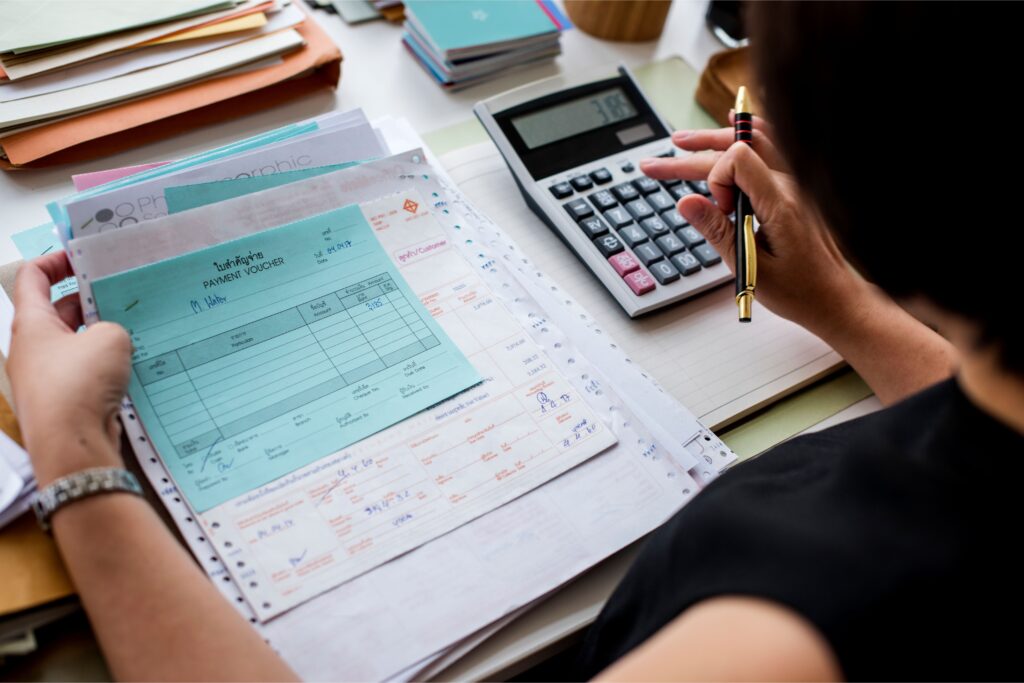
Why Is Tax Preparation Important?
Tax preparation is not simply about completing forms before a deadline. Good preparation starts much earlier.
Organized financial records make it easier to understand your financial position and provide the information needed for accurate tax filing.
For example, the IRS advises taxpayers to gather and organize records before preparing a return because complete records can help support accurate filing. IRS
Proper tax preparation can help with:
- Organizing financial information
- Identifying missing documents
- Reducing avoidable errors
- Understanding income and expenses
- Preparing information for filing
- Maintaining better financial records
- Making financial planning easier
The goal is simple: be prepared before it is time to file.
Tax Preparation for Small Businesses
Small business owners often manage many responsibilities at once. They may handle customers, employees, sales, marketing, suppliers, and daily operations while also trying to keep their financial records organized.
Tax preparation can become difficult when records are incomplete or spread across different systems.
A better approach is to maintain financial information throughout the year instead of trying to organize everything at the last minute.
Businesses should regularly keep track of:
Income
Record money received from customers, clients, sales, and other business activities.
Expenses
Keep appropriate records of business-related expenses and supporting documents.
Payroll
Maintain organized payroll and employee-related financial records where applicable.
Invoices and Payments
Track invoices issued, payments received, and outstanding amounts.
Bank Transactions
Regularly compare business records with bank activity to identify missing or incorrect transactions.
Good recordkeeping can make the tax preparation process much smoother. The IRS also notes that business transactions such as purchases, sales, payroll, and other activities generate supporting documents that businesses need when recording their books.
How Does the Tax Preparation Process Work?
Although requirements differ depending on location and taxpayer circumstances, a basic tax preparation process usually follows several steps.
Gather Your Documents
Start by collecting the financial documents relevant to your
tax situation.
Organize Your Financial Information
Separate income from expenses and business records. Put
your records into logical categories.
Review Income and Expenses
Review your records carefully. Check whether income has
been recorded correctly and whether expenses
have appropriate supporting documentation.
Identify Relevant Tax Information
Depending on your location and circumstances, credits,
certain deductions, exemptions, or other tax treatments
may apply.
This is an area where professional tax advice may be valuable because tax rules can be complex and change over time.